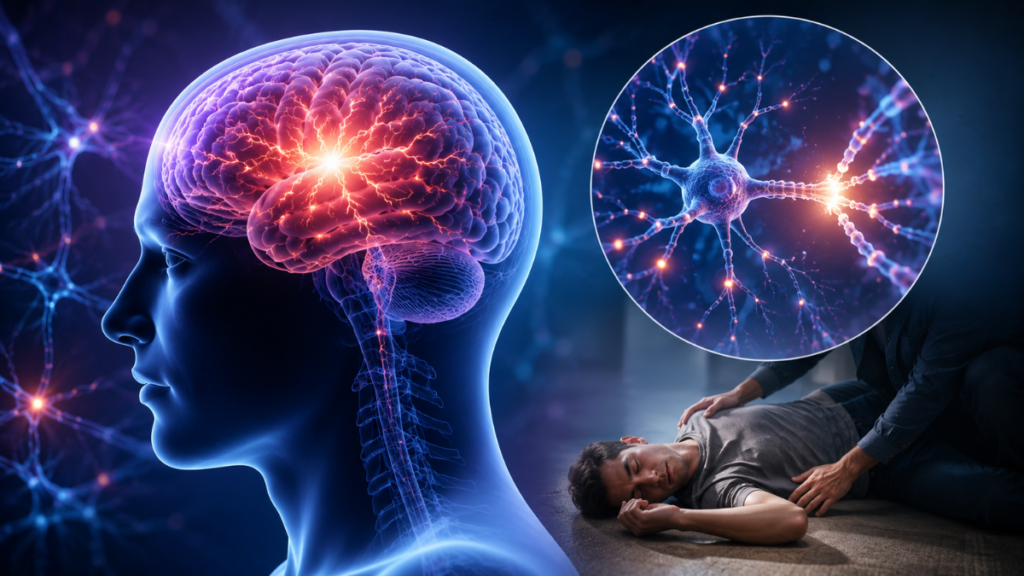
Food is not a cure for epilepsy, but eating habits can influence factors that affect seizure control. Long gaps between meals, dehydration, excessive alcohol, poor sleep, and missed medicines may make seizures more likely in some people. A balanced diet can help maintain steady energy, support overall health, and make it easier to follow a regular medicine schedule.
Most people with epilepsy do not need a highly restrictive meal plan. Unless a neurologist has recommended a specialised dietary therapy, the practical goal is to eat regular, balanced meals rather than searching for one food that can stop seizures.
Epilepsy treatment should continue exactly as prescribed. Dietary changes must not be used as a replacement for anti-seizure medicines. With appropriate diagnosis and treatment, many people with epilepsy can achieve good seizure control.
Does Diet Really Affect Epilepsy?
For most patients, ordinary foods do not directly cause epilepsy. Epilepsy develops because a person has an underlying tendency to experience recurrent seizures. Food may, however, affect circumstances that lower the seizure threshold.
For example, prolonged fasting may lead to low blood sugar, particularly in people with diabetes or those taking glucose-lowering medicines. Dehydration, illness, excessive caffeine, alcohol use, and irregular meals may also coincide with seizures in susceptible individuals.
This does not mean that everyone with epilepsy will react in the same way. A particular food should only be considered a possible trigger when seizures repeatedly occur after consuming it and other likely explanations have been reviewed.
A practical diet recommended for seizure patients should therefore focus on:
- Eating meals at reasonably consistent times
- Drinking enough water throughout the day
- Eat balanced meals with protein, fibre, healthy fats, and whole grains.
- Avoiding prolonged fasting unless medically supervised
- Limiting substances that disturb sleep or interfere with medicines
- Taking anti-seizure medicine at the prescribed time
Keeping a seizure diary can help identify whether missed meals, specific drinks, poor sleep, illness, or medicine delays regularly occur before an episode. Reported triggers are meaningful only when they appear as a consistent pattern rather than after one isolated event.
Read This: Is It Normal Aging or Dementia? Early Warning Signs, Treatment Options and Why Delaying Care Matters
What Foods Are Good for People With Epilepsy?
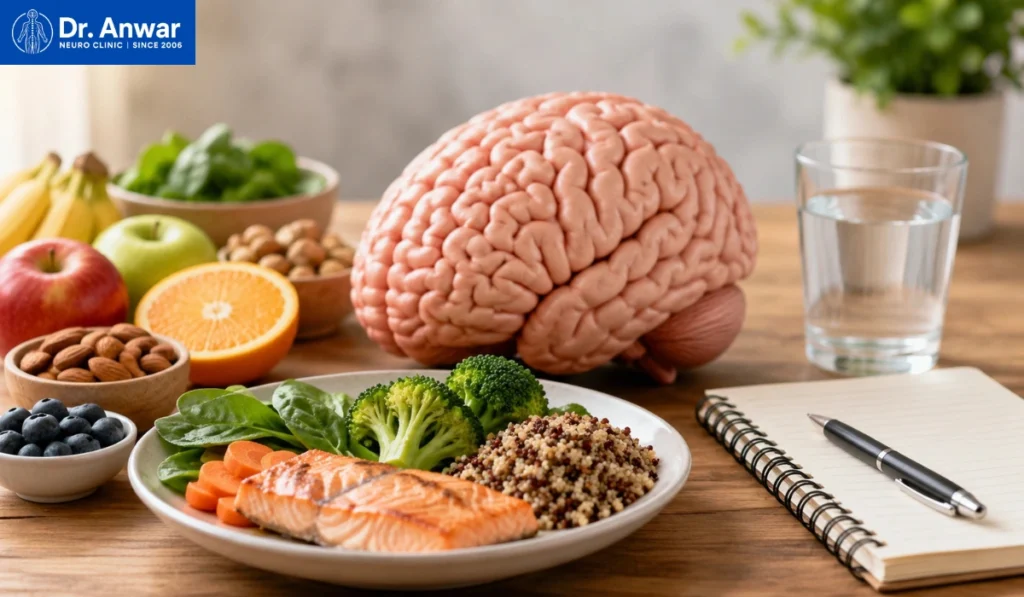
There is no single “best food for epilepsy.” For most adults, a varied diet made from minimally processed foods is a sensible foundation. It supports stable energy, bowel health, weight management, and the nutritional needs of the nervous system.
Complex Carbohydrates and High-Fibre Foods
Whole grains and other fibre-rich carbohydrates release energy more gradually than heavily refined foods. They may also help prevent the hunger and fatigue that can follow meals high in added sugar.
Suitable choices may include:
- Whole-wheat roti
- Oats or dalia
- Brown rice in suitable portions
- Millets such as ragi, jowar, or bajra
- Beans, chickpeas, and lentils
- Vegetables and whole fruits
People with diabetes should follow an individualised eating plan because significant changes in blood glucose may require medication adjustment.
Protein With Each Main Meal
Protein helps meals remain satisfying and supports muscle and tissue health. It can be included through eggs, fish, chicken, milk, curd, paneer, soy, lentils, or beans.
A simple Indian meal might combine dal with vegetables and roti, or rice with fish and salad. The aim is balance, not the elimination of an entire food group.
Read More: Is It Just Tingling or Nerve Damage? 5 Symptoms Neurologists Say You Should Never Ignore
Vegetables and Whole Fruits
Vegetables and fruits provide fibre, vitamins, minerals, and plant compounds that support general health. Choose whole fruit more often than juice because it contains more fibre and usually produces a slower rise in blood sugar.
Try to include different varieties across the week rather than relying on one particular fruit or vegetable. No common fruit has been proven to cure or prevent epilepsy.
Healthy Sources of Fat
Nuts, seeds, fish, and moderate amounts of unsaturated cooking oils can form part of a healthy diet for epilepsy in adults. Healthy fat should not be confused with a therapeutic ketogenic diet, which uses carefully calculated amounts of fat, carbohydrate, protein, and calories.
Adding large quantities of butter, cream, or oil to regular meals does not create a medically effective ketogenic plan and may lead to weight gain or other health problems.
Calcium and Vitamin D Sources
Bone health deserves attention because some anti-seizure medicines can affect vitamin D metabolism or bone strength, particularly when used for years. Foods such as milk, curd, paneer, ragi, sesame seeds, and fortified products may help provide calcium.
Supplements should not be started automatically. A doctor may advise blood tests or supplementation based on the medicine being used, dietary intake, age, and other risk factors.
Also Read: Why Do Seizures Happen? Common Causes, Warning Signs, and Treatment Options
What Foods Should Epileptics Avoid?
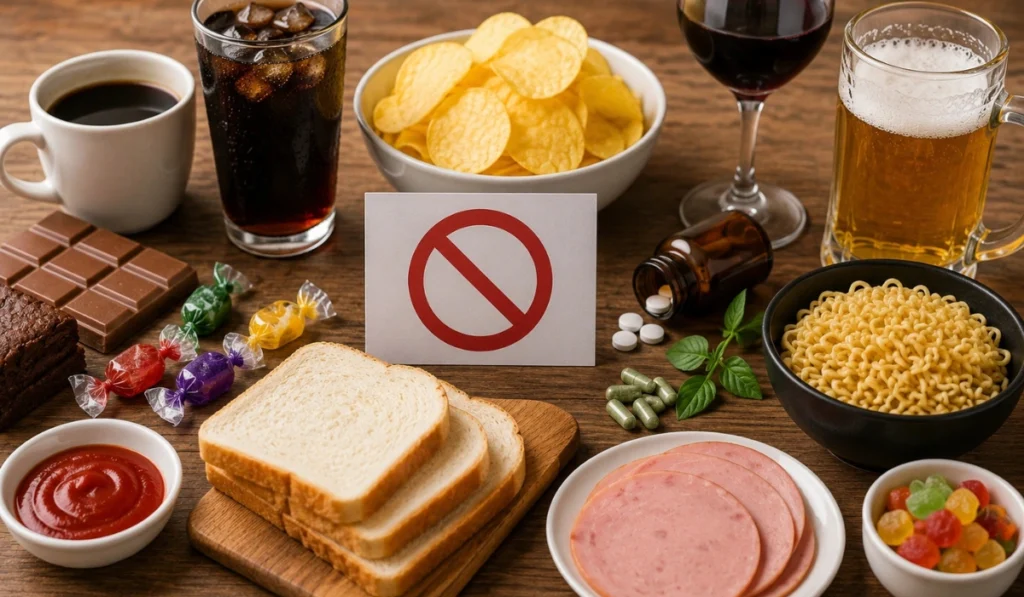
There is no universal list of foods that every person with epilepsy must ban. Claims that items such as spices, rice, dairy, gluten, or particular fruits cause seizures in all patients are not supported by reliable evidence.
The more important question is whether a food, drink, or eating pattern repeatedly affects you.
Common areas that may require caution include:
- Alcohol, particularly heavy drinking or sudden withdrawal
- Energy drinks containing large amounts of caffeine and stimulants
- Excessive tea or coffee when it disturbs sleep
- Long periods without food
- Sugary drinks used in place of proper meals
- Unregulated herbal products or “seizure cure” supplements
- Foods that interfere with a specific medicine, if your doctor has warned you about them
Moderate caffeine does not trigger seizures in every patient. However, a high intake may contribute indirectly by causing poor sleep, anxiety, palpitations, or missed meals. If you notice a pattern between caffeine and seizures, reduce it gradually and discuss the observation during follow-up.
Alcohol requires greater caution. It can affect sleep, increase the likelihood of missed medicines, interact with treatment, and contribute to seizures during intoxication or withdrawal. Your neurologist can advise whether any alcohol is safe based on your seizure type, control, and medicines.
Can Specific Foods Trigger Epilepsy?
The idea that particular foods directly cause epilepsy is often misunderstood. Food does not normally create epilepsy in someone who does not already have the condition. In a small number of patients, certain foods or ingredients may appear to increase seizure likelihood, but true food-specific triggers are considered uncommon.
More often, the problem is connected with the circumstances surrounding eating, such as:
- Skipping breakfast and taking medicine on an empty stomach
- Going many hours without food
- Becoming dehydrated during hot weather
- Drinking several caffeinated beverages late in the day
- Consuming alcohol and sleeping poorly
- Following a crash diet that causes nutritional imbalance
Do not remove several foods from your diet based on a single seizure. Unnecessary restriction can lead to deficiencies, weight loss, constipation, and difficulty maintaining treatment. A food and seizure diary reviewed by a neurologist or qualified dietitian is more useful than guessing.
You May Like: Migraine or Normal Headache? How to Understand the Difference
Is the Ketogenic Diet Helpful for Epilepsy?
The ketogenic diet is a specialised medical diet that is high in fat and very low in carbohydrates. It changes the way the body produces energy, leading to the formation of ketones. In some patients, especially those with drug-resistant epilepsy, this metabolic shift may help reduce seizure frequency.
It is most often used in children whose seizures continue despite appropriate medicines, but selected adults may also benefit. The diet is not suitable for every person with epilepsy, and it should never be started by simply cutting out rice, roti, fruit, or sugar at home.
A medically supervised ketogenic plan requires careful calculation of:
- Total calories
- Fat-to-carbohydrate and protein ratio
- Protein needs
- Vitamin and mineral intake
- Fluid intake
- Blood sugar and ketone levels
- Possible medicine-related interactions
The diet may cause constipation, nausea, kidney stones, nutrient deficiencies, changes in cholesterol, or poor growth in children if it is not monitored properly. Before considering it, a neurologist and trained dietitian should review the seizure type, current treatment, medical history, and nutritional status.
Modified versions, such as the modified Atkins diet or low glycaemic index treatment, may be considered in selected cases. These approaches are still therapeutic diets and require professional guidance.
Sample Epilepsy Diet Menu for Adults
A practical epilepsy diet menu does not need to be complicated. For most adults, the aim is to maintain regular meal timing, include enough protein and fibre, and avoid long gaps without food.
A sample day may look like this:
Breakfast
- Vegetable oats, dalia, or two whole-wheat rotis
- Egg, curd, paneer, or another protein source
- One whole fruit
- Water or a moderate amount of tea
Mid-Morning
- A small handful of nuts or roasted chana
- Buttermilk or water
Lunch
- Roti or a moderate serving of rice
- Dal, chicken, fish, paneer, or beans
- Cooked vegetables
- Salad or curd
Evening Snack
- Fruit with nuts
- Sprouts or roasted makhana
- Avoid replacing food with energy drinks or repeated cups of strong coffee
Dinner
- Roti, millet, or a suitable portion of rice
- A protein source
- Vegetables
- Curd if tolerated
This is only a general example. The right diet for epilepsy in adults may need to be adjusted for diabetes, kidney disease, obesity, pregnancy, high cholesterol, food allergies, or medicine side effects.
Medicine timing should remain consistent. If a tablet must be taken with food, plan the meal around the prescribed schedule rather than changing the dose or timing on your own.
Practical Habits That Support Seizure Control
Nutrition is only one part of epilepsy care. Even a well-planned diet cannot compensate for missed medicines or severe sleep deprivation.
Helpful habits include:
- Take anti-seizure medicine at the same time every day
- Use a pill organiser or phone reminder if doses are often forgotten
- Maintain a regular sleep schedule
- Drink enough fluids, especially during hot weather or illness
- Avoid crash diets and prolonged fasting
- Limit alcohol and discuss safe intake with your neurologist
- Record seizures, missed doses, sleep, meals, and possible triggers
- Do not use herbal remedies without checking for medicine interactions
During vomiting, diarrhoea, or fever, seizure medicines may not be absorbed normally. Contact your doctor if you repeatedly vomit after taking a dose, cannot keep fluids down, or notice an increase in seizures.
When Should You Discuss Diet With a Neurologist?
Most people can follow a balanced diet without major restrictions. Professional guidance becomes more important when seizures remain uncontrolled or when a specialised diet is being considered.
You should speak with a neurologist when:
- Seizures continue despite taking medicines regularly
- Episodes increase after fasting or skipped meals
- You are considering a ketogenic or low-carbohydrate diet
- There is significant weight gain or weight loss
- The patient is a child, pregnant, elderly, or has diabetes
- Anti-seizure medicines are affecting appetite, digestion, or bone health
- You are using supplements or herbal products
- You are unsure whether a particular food interacts with treatment
Patients searching for the senior neurologist for epilepsy should look for careful seizure evaluation, medicine review, practical lifestyle guidance, and referral to a qualified dietitian when therapeutic nutrition is appropriate.
When Is Medical Attention Required?
Dietary changes are not an emergency treatment for a seizure. Seek urgent medical care when:
- A seizure continues for 5 minutes or longer
- Another seizure starts before recovery
- Breathing remains difficult
- The person is injured
- The seizure occurs in water
- It is the first known seizure
- The patient is pregnant
- Awareness does not return as expected
During a seizure, move dangerous objects away, protect the head, and turn the person onto one side when safe. Do not force food, water, medicine, or any object into the mouth.
Book an Appointment
If seizures continue despite regular treatment, or you need clear guidance about medicines, meal timing, possible triggers, or a medically supervised epilepsy diet, an individual assessment is important. You can consult the senior neurologist in Patna at Dr. Anwar Neuro Clinic for epilepsy evaluation and a treatment plan based on your seizure type, health conditions, and current medicines.
Frequently Asked Questions
1. What should I eat if I have epilepsy?
Most people with epilepsy can eat a balanced diet that includes whole grains, vegetables, fruits, protein, healthy fats, and enough fluids. Regular meal timing is usually more important than any single food.
2. What foods should epileptics avoid?
There is no universal banned-food list. Alcohol, excessive caffeine, energy drinks, prolonged fasting, and unregulated supplements may increase risk in some patients or interfere with treatment.
3. Can certain foods cause seizures?
Specific food triggers are uncommon. Seizures are more often linked to missed medicines, poor sleep, dehydration, illness, alcohol, or long gaps between meals.
4. Is the ketogenic diet safe for adults with epilepsy?
Some adults whose seizures remain uncontrolled may benefit from it, but the diet needs guidance from both a neurologist and a qualified dietitian.
5. Can skipping meals trigger a seizure?
Skipping meals may contribute in some people, especially when it leads to low blood sugar, dehydration, weakness, or delayed medicine doses.
6. Can diet replace epilepsy medicine?
No. Nutritious eating can complement epilepsy care, but prescribed seizure medicine must remain the main treatment unless a neurologist advises otherwise.