

Neurological Infections Treatment in Patna, Bihar

Neurological Infections Specialist in Patna, Bihar
Dr. Anwar Alam, MBBS, MD (General Medicine), DM (Neurology)
Dr. Anwar Alam has 20 years of clinical experience in neurology and evaluates patients with neurological symptoms that may be associated with infections affecting the brain, spinal cord, nerves, or surrounding tissues. He also serves as Professor & Head, Neurology, NMCH Patna.
Patients have come from Patna as well as Sitamarhi, Muzaffarpur, Gaya, Ara, Chhapra, Begusarai, Hajipur, Supaul, Mokama, other cities and villages across Bihar, and areas near the Nepal border.
Dr. Anwar Alam has a 4.7-star Google rating based on 940+ patient reviews, reflecting feedback shared by patients and families who have consulted him for neurological care.
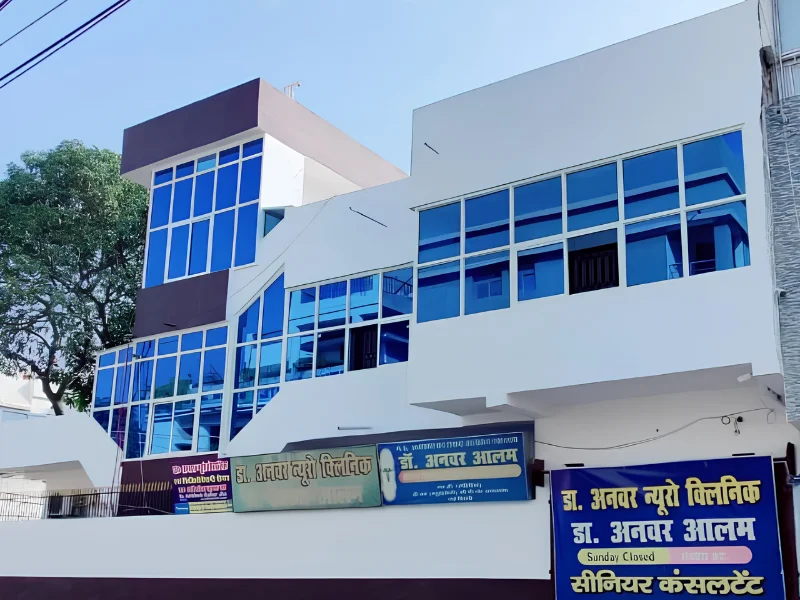
At Dr Anwar Neuro Clinic, Kankarbagh, Patna, patients with neurological symptoms requiring specialist assessment are evaluated according to their clinical presentation, medical history, neurological findings, and available reports.
Understanding Neurological Infections
Infections involving the nervous system may affect the brain, spinal cord, peripheral nerves, or the tissues surrounding them. When the protective coverings around the brain and spinal cord become inflamed, the condition is called meningitis. When infection or inflammation involves the brain tissue, it may result in encephalitis. Some infections can also affect the spinal cord or peripheral nerves.
The symptoms are not identical in every patient. Fever, headache, vomiting, neck stiffness, sensitivity to light, confusion, seizures, weakness, or changes in coordination may occur depending on the infection and the area involved. In babies and young children, symptoms can be less typical and may include poor feeding, irritability, unusual sleepiness, or reduced activity.
An infection affecting the nervous system should not be treated based only on symptoms. Identifying the likely cause is important because bacterial, viral, fungal, parasitic, and other infections can require different approaches.
Common Symptoms of Neurological Infections
The symptoms depend on the type of infection and the part of the nervous system affected. Possible symptoms include:
1. Fever
A raised temperature may accompany an infection affecting the nervous system, although fever is not present in every case.
2. Severe or Persistent Headache
A new headache that is unusually intense or occurs with other neurological symptoms needs medical assessment.
3. Neck Stiffness
Difficulty or pain when moving the neck can occur particularly with meningitis.
4. Vomiting or Nausea
These symptoms may accompany headache, fever, or increased irritation of structures around the brain.
5. Confusion or Altered Awareness
A person may become unusually drowsy, confused, disoriented, or difficult to wake.
6. Seizures
Some infections affecting the brain can trigger new-onset seizures.
7. Weakness or Movement Difficulties
Involvement of the brain, spinal cord, or nerves can produce weakness, coordination problems, or difficulty walking.
8. Behaviour or Speech Changes
Changes in behaviour, communication, memory, or the ability to understand and respond normally may occur when the brain is affected.
Note: Fever accompanied by severe headache, neck stiffness, confusion, seizures, or rapidly worsening neurological symptoms requires urgent medical assessment. Bacterial meningitis in particular is considered a medical emergency.
Testimonials & Reviews
What Our Patients Say
Trustindex verifies that the original source of the review is Google. Good doctor and best treatmentPosted on GoogleTrustindex verifies that the original source of the review is Google. वैरी गुड डॉ साहब सर जी हैPosted on GoogleTrustindex verifies that the original source of the review is Google. बहुत-बहुत धन्यवाद सर आपको आपके कारण काफी संतोषजनक महसूस कर रहा हूंPosted on GoogleTrustindex verifies that the original source of the review is Google. Happy to share after 1st visit I'm cured , all staffs are helpful in nature. And I'm fully satisfiedPosted on GoogleTrustindex verifies that the original source of the review is Google. Best doctor in patna ,K 2 P C colony Malahipakari chowk.Posted on GoogleTrustindex verifies that the original source of the review is Google. Sir Paisent satisfactionPosted on GoogleTrustindex verifies that the original source of the review is Google. Dr Anwar Alam sir is a good doctor. I am satisfied with you . His treatment is very good. ThanksPosted on GoogleTrustindex verifies that the original source of the review is Google. I recently met Dr. Anwar Alam in Patna, and I would like to share my positive experience. For the past 6 months, my mother has been under his care, and we are very satisfied with the treatment provided. Her condition has improved significantly, and she is now feeling much more relaxed and comfortable. Dr. Anwar Alam is not only highly skilled but also very cooperative and understanding. He listens patiently and treats his patients with great care and respect. His approach makes us feel like we are consulting a trusted family doctor. We are truly impressed with his treatment and overall behavior. I highly recommend him to anyone seeking quality medical carePosted on GoogleTrustindex verifies that the original source of the review is Google. Dr Anwar Alam is a good doctor in patna. His treatment is very good.I am satisfied with you.All staffs behaviour is very good .Thank you .Posted on GoogleTrustindex verifies that the original source of the review is Google. Best Doctor of neurologist in patna Dr Anwar Alam mai bhut parshan tha apni beti ko leker Dr Anwar Alam ke treatment se hamari beti bikul thik ho gayi.thans Doctor sb.
Neurological Infections: Causes and Risk Factors
Different infectious organisms can affect the nervous system. The possible cause depends on the patient’s age, immune status, exposure history, and the specific clinical presentation.
1. Bacterial Infections
Certain bacteria can cause meningitis and other serious infections involving the nervous system.
2. Viral Infections
Viruses are an important cause of eningitis and encephalitis, with different viruses producing different patterns of illness.
3. Tuberculosis
Tuberculosis can sometimes involve the central nervous system and produce serious neurological complications.
4. Fungal Infections
Fungal infections can affect the nervous system, particularly in people with weakened immune defenses.
5. Parasitic Infections
Certain parasites can affect the brain or other neurological structures.
6. Reduced Immune Function
People with weakened immunity may be more vulnerable to certain infections and can develop more severe disease.
7. Recent or Ongoing Infection
An infection elsewhere in the body can occasionally spread or lead to neurological complications.
8. Environmental or Travel Exposure
Certain infections are associated with particular geographic areas, insects, animals, food, water, or environmental exposures.
9. Age and Underlying Health
Infants, older adults, and people with particular medical conditions may have different risks or symptom patterns.
A risk factor does not establish that an infection is present. Diagnosis requires assessment of the patient’s actual symptoms and appropriate investigations.
How Dr. Anwar Alam Evaluates Neurological Infections
The assessment begins with understanding how the illness developed. Dr. Anwar Alam considers when fever or neurological symptoms started, how quickly they progressed, whether there were recent infections or relevant exposures, and whether symptoms such as headache, vomiting, confusion, seizures, weakness, or neck stiffness are present.
Previous medical conditions, medicines, immune status, hospital records, laboratory reports, imaging, and treatment already received may also be reviewed. The neurological examination helps assess consciousness, speech, movement, strength, coordination, reflexes, and other functions.
Depending on the presentation, the evaluation may consider:
— Neurological examination
— Fever and symptom progression
— Previous infection or exposure history
— Blood and other laboratory reports
— Existing CT or MRI findings
— Seizure or altered-awareness episodes
The findings help determine whether urgent hospital-based care or further neurological investigation is required.
Diagnostic Tests That May Be Recommended
The tests recommended may vary depending on the suspected infection and the patient’s clinical presentation. Not every patient requires every test.
Blood Tests
Blood investigations can help identify signs of infection, inflammation, and other abnormalities and may sometimes help identify the responsible organism.
Cerebrospinal Fluid Examination
When meningitis or encephalitis is suspected, a lumbar puncture may be used to obtain cerebrospinal fluid for laboratory analysis. CSF testing can provide important information about infection and its possible cause.
MRI Brain
MRI can provide detailed information about the brain and may help identify inflammation, infection-related changes, or other conditions producing similar neurological symptoms.
CT Brain
CT may be useful when rapid brain imaging is needed or when doctors need to assess for other causes of neurological deterioration. nhs.uk
EEG
An EEG records electrical activity in the brain and may be recommended when seizures, abnormal awareness, or other changes in brain function are suspected.
Neurological Infections Treatment in Patna
Treatment depends on the type of infection, the part of the nervous system affected, the severity of illness, and the identified or suspected cause. There is no single medicine suitable for every neurological infection.
Depending on the diagnosis, management may involve:
— Antibiotic treatment when a bacterial infection is suspected or confirmed
— Antiviral medicines for selected viral infections where specific antiviral treatment is appropriate
— Antifungal or antiparasitic treatment when the relevant infection is identified
— Treatment of seizures, fever, headache, or other neurological symptoms when required
— Supportive care and monitoring for patients with significant neurological involvement
— Hospital-based treatment when the infection is severe or neurological function is deteriorating
Bacterial meningitis requires urgent treatment, and suspected cases should not wait for all test results before appropriate emergency management begins.
What Patients Can Expect From Ongoing Care
Recovery depends on the infection, how severely the nervous system was affected, and how quickly appropriate treatment was started. Some patients recover without lasting neurological problems, while others may need follow-up for weakness, seizures, balance difficulties, memory changes, hearing problems, or other complications.
Follow-up may involve reviewing symptoms, neurological function, investigation results, and response to treatment. When lasting neurological difficulties remain, additional rehabilitation or specialist care may be considered.
Why Timely Diagnosis Matters
Neurological infections can sometimes progress quickly. Severe headache with fever and neck stiffness, new confusion, seizures, significant weakness, or rapidly worsening consciousness should not be managed by waiting for a routine consultation.
Early assessment can help determine whether the symptoms could represent meningitis, encephalitis, another neurological infection, or a different condition altogether. The sooner the cause is clarified, the sooner appropriate treatment can be considered.
Why Choose Dr. Anwar Neuro Clinic for Neurological Infections Treatment in Patna?
Neurological symptoms during or after an infection can have several possible explanations. At Dr Anwar Neuro Clinic, the focus is on understanding the patient’s illness, examining neurological function, reviewing available reports, and determining whether further investigation or specialist treatment is appropriate.
Patients seeking neurological infections treatment in Patna can benefit from:
— Evaluation by Dr. Anwar Alam, MBBS, MD (General Medicine), DM (Neurology) with 20 years of clinical experience
— Assessment of neurological symptoms associated with suspected infections
— Detailed neurological examination
— Review of previous blood reports, CT/MRI scans, EEG reports, and hospital records
— Guidance regarding appropriate neurological investigations
— Assessment of seizures, weakness, altered awareness, headaches, and other neurological symptoms
— Ongoing neurological follow-up when required
— Conveniently located in Kankarbagh with parking available for cars and two-wheelers
1. Intention
The goal is simple: identify concerning neurological symptoms, determine whether infection-related neurological evaluation is required, and guide patients toward appropriate and timely care.
2. 20 Years of Experience & 90% Success Rate
Dr. Anwar Alam has 20 years of clinical experience in neurology and evaluates patients with neurological conditions involving the brain, spinal cord, nerves, and related neurological functions.
He also serves as Professor & Head, Neurology, NMCH Patna.
3. 4.7-Star Rating Across 939+ Google Reviews
As one of the experienced neurologists in Patna for headache and migraine care, he brings this same depth of experience to every consultation.
Patients Visit Our Migraine Treatment Clinic From Across Patna and Bihar
including Hanuman Nagar, Gardanibagh, Pahari, Kadamkuan, Rajendra Nagar, Boring Road, Sri Krishna Puri (SK Puri), Patliputra Colony, Bailey Road, Raja Bazar, Ashiana-Digha, Phulwari Sharif, Gandhi Maidan, Ashok Rajpath, Rajeev Nagar, Kurji, Gola Road, Mithapur, Jai Prakash Nagar, Lohia Nagar, Sampatchak, Parsa, Ranipur, Anisabad, Beur, Khagaul, Danapur, Sipara, Bihta, Hajipur, Sonepur, and neighbouring areas. Patients from these localities travel to the clinic’s single Kankarbagh location for consultation; there are no other branch clinics.
Dr. Anwar Neuro Clinic Address: K2, P.C. Colony, Lane opposite Metro Pillar SP-8/P6, Malahi Pakri Chowk, Kankarbagh, Patna, Bihar 800020