
Stroke/Lakwa Treatment in Patna, Bihar
Stroke/Lakwa Specialist in Patna, Bihar
Dr. Anwar Alam, MBBS, MD (General Medicine), DM (Neurology)
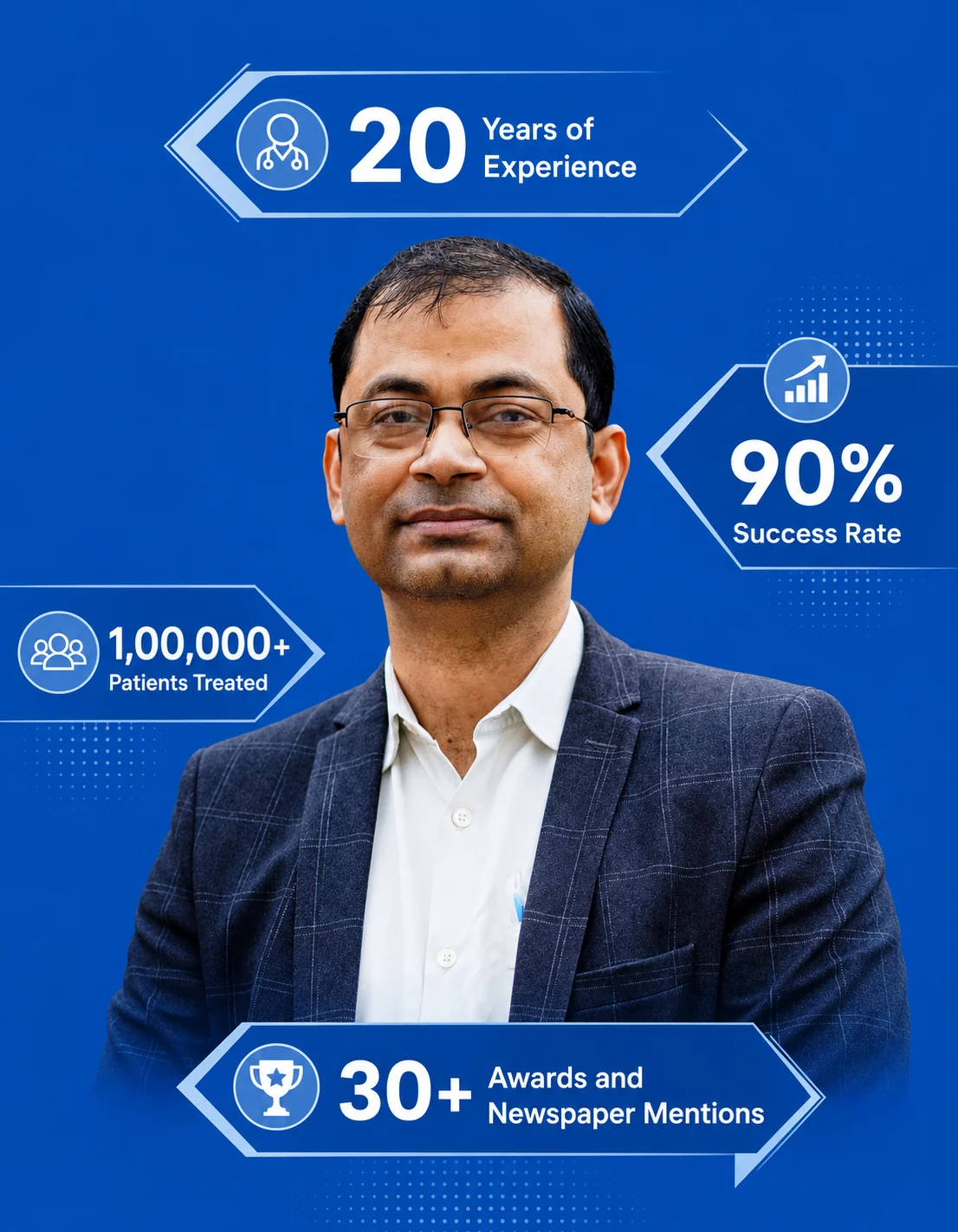
Dr. Anwar Alam has 20 years of clinical experience in neurology and has successfully treated thousands of patients suffering from stroke (lakwa) and other neurological conditions. Patients have come from Patna and Sitamarhi, Muzaffarpur, Gaya, Ara, Chhapra, Begusarai, Hajipur, Supaul, Mokama, and other cities and villages in Bihar and the Nepal border areas.
On Google, Dr. Anwar Alam has a 4.7-star rating based on 940+ patient reviews, reflecting the experiences and feedback shared by patients and families who have consulted him for neurological care. His approach focuses on understanding when the stroke symptoms started, which part of the body is affected, the severity of weakness, speech or vision problems, balance difficulties, medical history, and other neurological signs before planning further treatment and care.
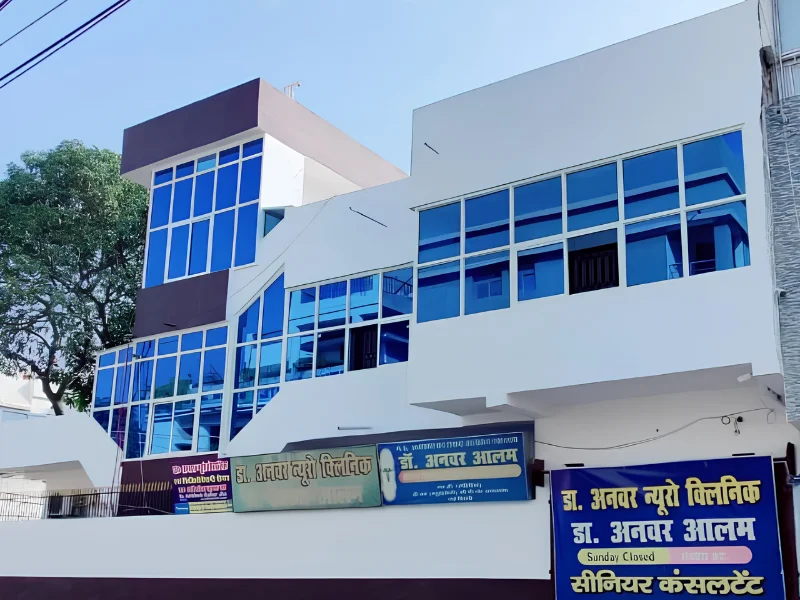
At Dr Anwar Neuro Clinic, Kankarbagh, Patna, stroke and lakwa patients are evaluated according to their individual condition, with treatment and ongoing neurological care planned to support recovery and reduce the risk of another stroke.
Understanding Stroke (Lakwa)
A stroke occurs when blood supply to part of the brain is suddenly interrupted — either a vessel is blocked (ischaemic stroke) or it bleeds (haemorrhagic stroke). Brain cells in that area begin losing function within minutes, so doctors describe stroke as a race against the clock. “Lakwa,” as it’s known across Bihar and much of North India, usually refers to the paralysis or weakness that follows a stroke, particularly when it affects the face or one side of the body.
The brain controls movement, speech, and memory, so a stroke’s effects depend on which part of the brain is involved. Some patients recover well with prompt treatment and rehabilitation; others are left with lasting difficulty, largely depending on how quickly care began.
Common Symptoms of Stroke/Lakwa
1. Sudden weakness or numbness on one side of the face, arm, or leg
2. Drooping of one side of the face, especially noticeable when smiling
3. Slurred or unclear speech, or trouble finding words
4. Sudden confusion or difficulty understanding others
5. Sudden loss of balance, dizziness, or trouble walking
6. Severe headache appearing suddenly with no known cause
7. Blurred or lost vision in one or both eyes, appearing abruptly
Note: Families are often taught the acronym FAST — Face drooping, Arm weakness, Speech difficulty, Time to call for help — as a quick way to recognise these signs in the moment.
Testimonials & Reviews
What Our Patients Say
Trustindex verifies that the original source of the review is Google. Good doctor and best treatmentPosted on GoogleTrustindex verifies that the original source of the review is Google. वैरी गुड डॉ साहब सर जी हैPosted on GoogleTrustindex verifies that the original source of the review is Google. बहुत-बहुत धन्यवाद सर आपको आपके कारण काफी संतोषजनक महसूस कर रहा हूंPosted on GoogleTrustindex verifies that the original source of the review is Google. Happy to share after 1st visit I'm cured , all staffs are helpful in nature. And I'm fully satisfiedPosted on GoogleTrustindex verifies that the original source of the review is Google. Best doctor in patna ,K 2 P C colony Malahipakari chowk.Posted on GoogleTrustindex verifies that the original source of the review is Google. Sir Paisent satisfactionPosted on GoogleTrustindex verifies that the original source of the review is Google. Dr Anwar Alam sir is a good doctor. I am satisfied with you . His treatment is very good. ThanksPosted on GoogleTrustindex verifies that the original source of the review is Google. I recently met Dr. Anwar Alam in Patna, and I would like to share my positive experience. For the past 6 months, my mother has been under his care, and we are very satisfied with the treatment provided. Her condition has improved significantly, and she is now feeling much more relaxed and comfortable. Dr. Anwar Alam is not only highly skilled but also very cooperative and understanding. He listens patiently and treats his patients with great care and respect. His approach makes us feel like we are consulting a trusted family doctor. We are truly impressed with his treatment and overall behavior. I highly recommend him to anyone seeking quality medical carePosted on GoogleTrustindex verifies that the original source of the review is Google. Dr Anwar Alam is a good doctor in patna. His treatment is very good.I am satisfied with you.All staffs behaviour is very good .Thank you .Posted on GoogleTrustindex verifies that the original source of the review is Google. Best Doctor of neurologist in patna Dr Anwar Alam mai bhut parshan tha apni beti ko leker Dr Anwar Alam ke treatment se hamari beti bikul thik ho gayi.thans Doctor sb.
Causes and Risk Factors of Stroke/Lakwa
Stroke usually has an underlying vascular or medical cause. Contributing factors include:
— High blood pressure — the single most significant risk factor
— Diabetes and poorly controlled blood sugar
— High cholesterol and fatty deposits narrowing blood vessels
— Smoking and tobacco use
— Irregular heartbeat conditions such as atrial fibrillation
— Obesity and a sedentary lifestyle
— Heavy alcohol use
— Family history of stroke or heart disease
— Increasing age, although stroke can also affect younger adults
How Dr. Anwar Alam Evaluates the Condition
Evaluation in stroke care typically starts with understanding when symptoms began, how they progressed, and the patient’s broader medical history — blood pressure, diabetes, heart conditions, and any prior stroke episodes.
This history often matters as much as the scan itself, since it shapes which treatment window is still open.
A focused neurological examination follows, assessing muscle strength, speech, coordination, and reflexes. Where a CT or MRI scan has already been done, these reports are reviewed as part of building a complete picture, and further tests are recommended only where they will meaningfully guide treatment planning.
Diagnostic Tests That May Be Recommended
The right investigation depends on the stage of care — emergency assessment differs from follow-up weeks later.
Relevant tests may include:
— CT scan review: Usually the first imaging done in an emergency to distinguish a blocked vessel from a bleed.
— MRI review: Often used for a more detailed look at the extent and location of brain involvement, particularly during follow-up.
— Blood tests: Check blood sugar, cholesterol, and clotting function, among other stroke-relevant markers.
— EEG (Electroencephalogram): Considered if seizures occur alongside or after the stroke.
— NCS/EMG: Occasionally used where nerve involvement affecting movement is suspected, though this is less common in typical stroke presentations.
None of these are a fixed package — each is recommended based on what the patient’s presentation actually suggests.
Treatment Options for Stroke/Lakwa in Patna
No two stroke cases are managed the same way — the plan hinges on which type occurred, how fast the patient got to care, and how much damage has already set in. Broadly, care may involve:
— Emergency treatment, including clot-dissolving medication for eligible ischaemic stroke cases, given within a narrow time window
— Blood pressure and blood sugar management to stabilise the patient and limit further risk
— Secondary prevention medication, such as blood thinners or cholesterol-lowering drugs, chosen based on the underlying cause
— Physiotherapy and rehabilitation to help regain movement, strength, and coordination
— Speech and swallowing therapy where communication or swallowing has been affected
— Long-term follow-up to monitor recovery and manage underlying risk factors
No two strokes look alike, so the plan is built around each patient’s scans, history, and recovery pattern rather than a fixed protocol.
What Patients Can Expect From Ongoing Care
Recovery after a stroke is usually gradual, unfolding over months rather than resolving in one or two visits. These check-ins keep an eye on blood pressure, blood sugar, and other risk markers, while also gauging how movement and speech are coming along. Rehabilitation goals are reviewed and adjusted as progress is made, and family involvement is often encouraged, since support at home plays a real role in recovery. Because the pace of recovery varies widely between patients, updates are kept honest and specific rather than tied to a fixed timeline.
Why Timely Diagnosis Matters
With stroke, timing shapes the outcome more than almost any other factor. Reaching care quickly can open up options — such as clot-dissolving medication — that only work within a limited window after symptoms begin. Beyond the emergency, early and consistent follow-up helps manage the risk factors behind a second stroke. Recovery outcomes differ from patient to patient and can’t be guaranteed, but timely diagnosis and structured management are widely regarded as important for better recovery and lower recurrence risk.
Why Choose Dr. Anwar Neuro Clinic for Stroke (Lakwa) Treatment in Patna?
Watching a loved one suddenly unable to move one side of their body or speak clearly can leave a family shaken and unsure where to turn. At Dr. Anwar Neuro Clinic, the focus is on guiding families through that uncertainty with clear communication, prompt evaluation, and a realistic sense of what recovery may involve.
For families managing the stress of recovery, the clinic also offers a few practical advantages:
— Clear explanation of scan findings and the recovery process, without medical jargon
— Affordable, quality neurology consultation for ongoing follow-up
— In-house diagnostic facilities that reduce the need to travel between centres for tests
— Discounted medicines to ease the cost of long-term management
— Clean, comfortable clinic space with trained staff
— VIP lounge for a more comfortable visit, particularly useful for patients with mobility difficulties
— Convenient Kankarbagh location with car and bike parking
1. Intention
The intention is simple: help each patient understand what is happening with their headaches and guide them toward a realistic, well-explained plan of care.
2. 20 Years of Experience & 90% Success Rate
He has treated over 1,00,000 patients, and while individual results always depend on the specific case, it reports a 90% success rate across the conditions
3. 4.7-Star Rating Across 939+ Google Reviews
As one of the experienced neurologists in Patna for headache and migraine care, he brings this same depth of experience to every consultation.
Patients Visit From Across Patna and Bihar
Families seeking stroke evaluation and follow-up care travel from across Patna and the wider Bihar region, including Hanuman Nagar, Gardanibagh, Pahari, Kadamkuan, Rajendra Nagar, Boring Road, Sri Krishna Puri (SK Puri), Patliputra Colony, Bailey Road, Raja Bazar, Ashiana-Digha, Phulwari Sharif, Gandhi Maidan, Ashok Rajpath, Rajeev Nagar, Kurji, Gola Road, Mithapur, Jai Prakash Nagar, Lohia Nagar, Sampatchak, Parsa, Ranipur, Anisabad, Beur, Khagaul, Danapur, Sipara, Bihta, Hajipur, Sonepur, and neighbouring areas. Patients and families from these localities travel to the clinic’s single Kankarbagh location for consultation and follow-up; there are no other branch clinics.
Dr. Anwar Neuro Clinic Address: K2, P.C. Colony, Lane opposite Metro Pillar SP-8/P6, Malahi Pakri Chowk, Kankarbagh, Patna, Bihar 800020
FAQs About Stroke Treatment at Dr Anwar Neuro Clinic
Don’t wait to see if symptoms improve on their own. If you notice sudden facial drooping, one-sided weakness, or slurred speech, get the person to the nearest hospital with stroke care facilities as quickly as possible. Note the time symptoms started — this detail matters to the treating doctor when deciding on the right emergency treatment.
Recovery varies from person to person, depending on the type of stroke, how quickly treatment started, and which part of the brain was affected. Many patients regain meaningful function with timely treatment and consistent rehabilitation, while others are left with some lasting difficulty. A clear recovery plan and honest monitoring help set realistic expectations.
Physiotherapy is commonly recommended when a stroke affects movement, strength, or coordination, since it plays a real role in regaining function. How much and for how long depends on severity and the patient’s individual recovery pattern, so the plan is tailored rather than applied the same way to everyone.
Yes. A transient ischaemic attack, often called a mini-stroke, can warn of a larger stroke ahead, even when symptoms went away quickly. Getting checked by a neurologist can uncover what’s driving the risk and get preventive treatment started before something more serious happens.
Yes. Alongside guidance during the acute phase, the clinic provides ongoing follow-up to monitor blood pressure, blood sugar, and other risk factors, track rehabilitation progress, and adjust the plan as the patient recovers over time.